
Create a Wallet
Create a new wallet on a trusted device and understand what the seed phrase controls.
Read guide →Use imtoken to learn how to view multi-chain assets, choose networks, send and receive, connect to DApps, review approvals and build safer wallet habits.
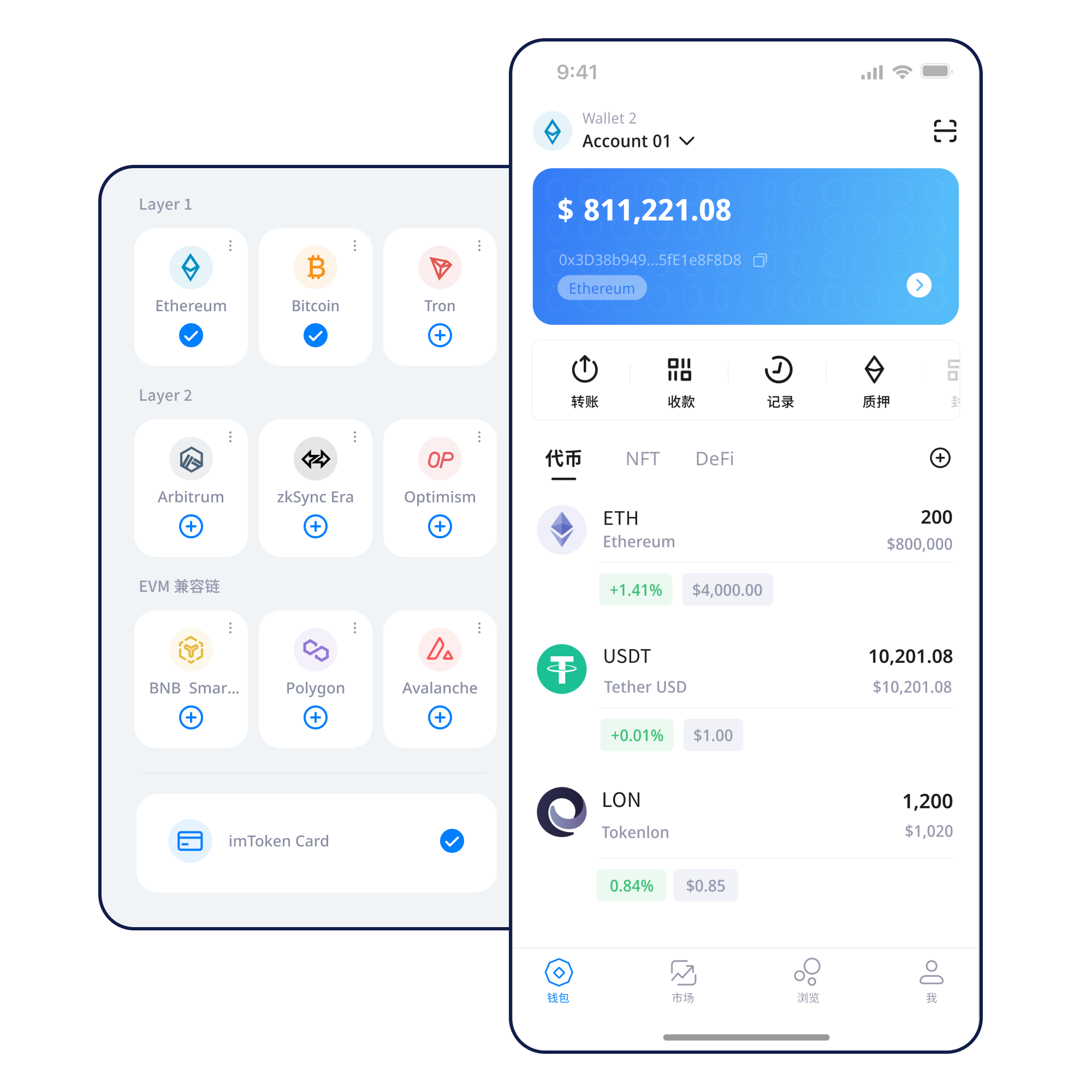
Move through the wallet in a practical order. Each task highlights the context that should be checked before you continue.
Create a new wallet on a trusted device and understand what the seed phrase controls.
Read guide →Write the seed phrase offline, verify the order and keep it away from screenshots, chat and cloud storage.
Read guide →Confirm the network and receiving address before sharing it with the sender.
Read guide →Review destination, network, asset, amount and gas before submitting an irreversible transaction.
Read guide →Confirm the domain first, then review account, signature and approval requests one by one.
Read guide →Assets, transfers, mobile use, browser connections and security each require a different kind of attention.
See balances in network context and verify the chain before acting.
Check receiving address, network, amount, gas and transaction hash.
Mobile access to assets, network management, DApps and transaction history.
Understand browser connections, account requests, approvals and disconnecting.
Keep keys offline and review signatures and permissions before approval.
Move between network concepts while keeping each explanation directly available on the page.
Balances and transactions remain network-specific even when an address format looks familiar.
Learn multi-chain basics →Nodes validate and propagate transactions; blocks and explorers make network state observable.
Compatible networks share execution concepts while maintaining independent state and assets.
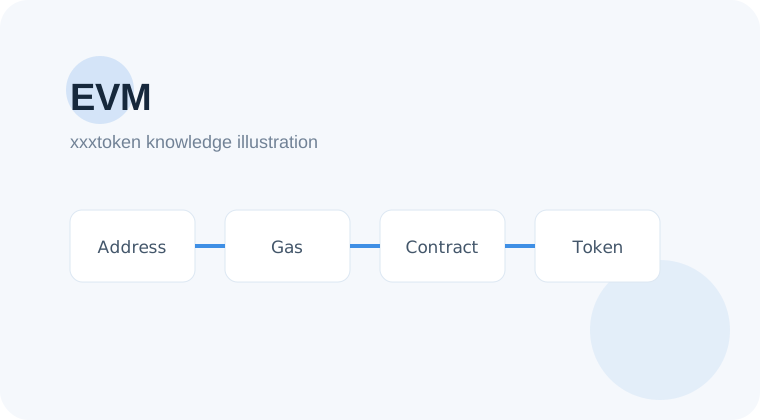
Understand bridge direction, waiting periods and destination-network gas before moving assets.
Gas reflects network execution resources, while confirmations indicate how a transaction is anchored in later blocks.
Understand gas and confirmations →Use the official download entry and install only from a trusted source.
Understand whether you are generating new keys or loading an existing account.
Keep the seed phrase offline and never disclose the private key.
Match the asset, destination and network before receiving or sending.
Review address, amount, gas and expected result before submission.
Use the transaction hash and review DApp permissions that are no longer needed.
A wallet connection is only the beginning. Domain checks, account requests, signatures and approvals each deserve their own review.
Web3 & DApp guide →Wallet security depends on self-custody of keys, a trusted device, careful review of requests and an understanding that third-party DApps and contracts can carry risk. Keep the seed phrase and private key offline, reject impersonation, review addresses and networks before transfers, and inspect permission scope before approvals.
Open Security Center →Start with the relationship between addresses, seed phrases and private keys, then understand networks, gas and transaction hashes before moving into DApps and approvals.
Read the starter guide →Understand nodes, blocks, explorers and confirmation states.
See how gas, contracts and token approvals fit together.
Learn bridging direction, waiting and destination-network context.
Review permission scope and revoke access you no longer need.
Understand PoS, validators, reward sources, network state, withdrawals and exits without treating variable rewards as a guarantee.
Read staking basics →Validator penalties, smart-contract risk, exit waiting, market volatility and third-party service risk can all affect the experience.
Learn about validators →Review network context and transaction details before acting on a new asset or request.
Account connection, signatures and approvals are separate decisions.
Never provide a seed phrase, private key or verification code to anyone.
Use transaction hashes and explorers to verify on-chain status.
A wallet manages the cryptographic keys used to authorize activity for blockchain accounts. Assets remain recorded on their networks rather than being stored inside the interface.
The user should keep them. imtoken personnel will not ask for a seed phrase, private key or verification code, and those credentials should never be sent to another person.
An address can look familiar across compatible networks while balances and contracts remain separate. The sender and receiver should agree on the same network.
Gas measures network execution resources. The actual fee depends on network rules, congestion and the complexity of the transaction or contract call.
It is a public identifier for an on-chain transaction. It can be used with a block explorer to inspect status, addresses, token transfers, gas use and block information.
No. Connection, signatures, token approvals and transactions are separate actions and should be reviewed independently.
It is permission for a specified smart contract to use a token within an allowed scope. Review the contract and amount before approving.
Often yes through an on-chain transaction, but the method and fee depend on the network. Disconnecting a site alone does not necessarily revoke an approval.
Use the unified download entry and review the security basics before your first transfer.